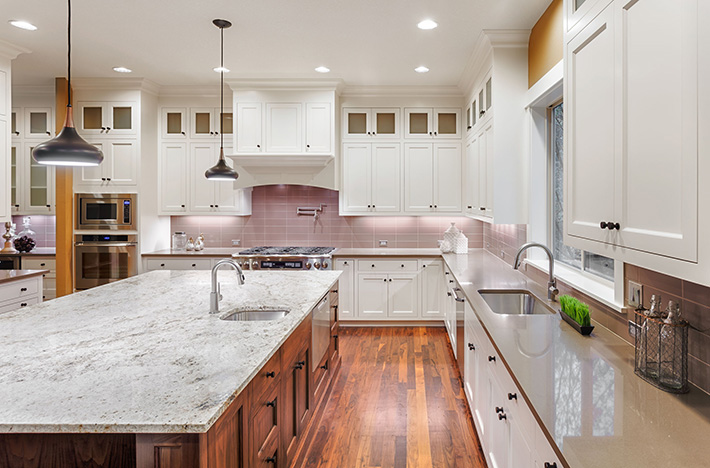
Quartz has become one of the most sought-after materials in contemporary design, known for its elegance, durability, and versatility. From kitchen countertops to flooring, quartz offers a combination of aesthetic appeal and practical benefits that make it a popular choice among homeowners, designers, and contractors. However, understanding quartz price and the factors that influence it is essential for making an informed purchase and maximizing investment value.
Quartz is a natural mineral that is often engineered into slabs for use in construction and interior design 石英石. Engineered quartz combines crushed quartz particles with resin and pigments to create a non-porous, durable surface that is resistant to scratches, stains, and heat. Unlike natural stones such as granite or marble, quartz surfaces provide consistent color and pattern, giving designers the flexibility to achieve precise visual effects. This combination of natural beauty and engineered performance contributes to the overall quartz price, making it an investment in both style and longevity.
Several factors influence quartz price, beginning with the quality of the raw materials used in its production. High-quality quartz contains a higher percentage of natural quartz particles, which enhances the strength, durability, and appearance of the final product. Additionally, the quality of resin and pigments used in engineered quartz plays a significant role in determining the cost. Premium materials result in a higher quartz price, but they also deliver superior performance and a more luxurious finish, justifying the investment for many homeowners.
Design and color are also critical factors in the variation of quartz price. Certain colors and patterns, especially those that mimic rare natural stones or incorporate intricate veining, require advanced manufacturing techniques and higher-quality pigments. These specialty designs often carry a premium price due to the complexity of production and the aesthetic appeal they offer. Standard colors such as whites, grays, and blacks may be more affordable, but even these options provide the same durable and low-maintenance characteristics that make quartz so desirable.
Size and thickness of the quartz slabs are additional determinants of quartz price. Thicker slabs are generally more expensive because they use more material and require more careful handling during manufacturing and installation. Similarly, larger slabs reduce the number of seams in a countertop or surface installation, which is aesthetically preferred, but this convenience also comes with a higher cost. Therefore, homeowners need to balance size preferences with budget considerations when assessing quartz price.
Labor and installation costs are often overlooked but play a significant role in the overall investment. Cutting, fabricating, and installing quartz surfaces require specialized tools and skilled labor to ensure a precise fit and flawless finish. These services contribute to the overall quartz price, making professional installation a key consideration when planning a project. While DIY options exist, professional installation is generally recommended to preserve the integrity of the material and maximize its lifespan.
Durability and maintenance are also closely linked to quartz price. Engineered quartz is highly resistant to everyday wear and tear, including scratches, stains, and heat damage. Its non-porous surface prevents bacterial growth and simplifies cleaning, reducing the need for costly maintenance over time. This long-term value makes quartz a cost-effective choice despite an initially higher quartz price compared to other materials like laminate or ceramic. Homeowners who prioritize longevity and low maintenance often view the investment in quartz as worthwhile.
Market trends and brand reputation can further influence quartz price. Well-known brands with established quality standards may charge a premium due to their reliability and design innovation. Additionally, supply and demand dynamics in the global quartz market can impact pricing. For example, rare color variations or limited-edition collections may see a temporary spike in quartz price due to scarcity and consumer demand. Staying informed about these trends can help buyers make strategic purchasing decisions and secure the best value.
Sustainability is an increasingly important consideration in modern home design, and quartz performs well in this regard. Many manufacturers prioritize eco-friendly production processes, using recycled materials and minimizing waste. While this commitment to sustainability may slightly influence quartz price, it provides long-term environmental benefits and aligns with growing consumer expectations for responsible sourcing. Homeowners who value both aesthetics and environmental responsibility often appreciate that investing in quartz supports sustainable design practices.
Comparing quartz price with other popular surface materials highlights its advantages. Granite and marble, while natural and visually striking, often require more maintenance, sealing, and careful handling to prevent damage. Engineered quartz offers a similar luxurious appearance with greater consistency, durability, and ease of care. This combination of performance and design flexibility often makes the slightly higher quartz price a worthwhile trade-off for long-term satisfaction.
Customization options also contribute to variations in quartz price. Homeowners can choose edge profiles, finishes, and even integrated sinks or backsplashes, all of which require additional fabrication work and expertise. These personalized touches enhance the aesthetic appeal of a space but can also raise the total investment. When planning a project, it is essential to consider both base material costs and the additional customization charges that influence the overall quartz price.
Finally, the value of quartz extends beyond its practical and aesthetic properties. Its timeless appeal ensures that surfaces remain visually relevant and stylish over time, unlike trends that quickly fade. Homeowners investing in high-quality quartz not only enhance their living spaces but also potentially increase property value. The combination of beauty, durability, and low maintenance ensures that the initial quartz price translates into long-term satisfaction and investment security.
In conclusion, understanding quartz price involves more than considering the sticker cost alone. Factors such as material quality, color and design, size, installation, durability, brand reputation, market trends, sustainability, and customization all play essential roles in determining the overall value of quartz. While it may initially appear more expensive than other materials, the combination of visual appeal, resilience, and long-term performance makes quartz a wise investment for homeowners and designers alike. By evaluating these factors carefully, buyers can select quartz surfaces that align with both their aesthetic preferences and budgetary goals, ensuring a balance of elegance and functionality that stands the test of time.